
Performance Loading
$7 FOR 7 DAYS TRIAL PASS · REFUNDABLE · ALL CLASSES INCLUDED
Recovery / Release · All levels
Mobility
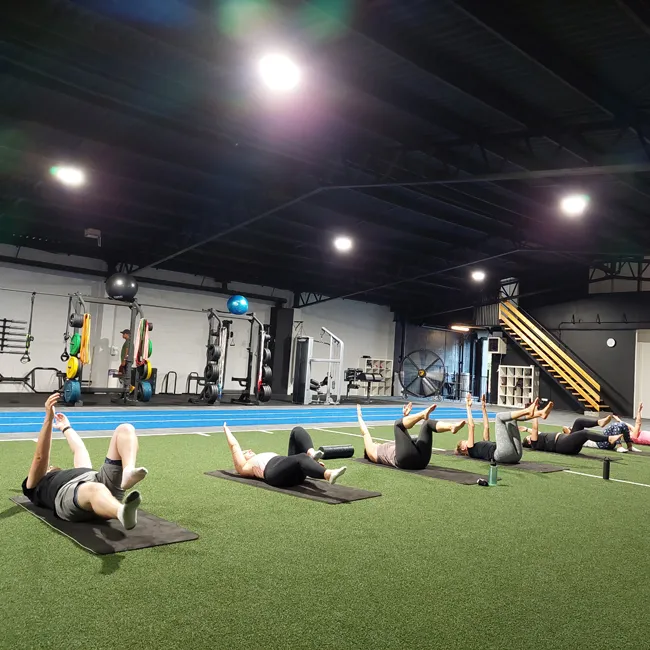
Our Mobility & Movement class focuses on active recovery and uses a science-based approach to improve flexibility and strength at the same time. Whether you're an elite athlete or a beginner, you'll feel the difference after one session.
This group-based mobility, flexibility and movement class is about power and range — building strength and flexibility together.
When you start training for strength and conditioning, muscle stiffness and joint pain are the last thing you want. Our class teaches you how to use specific tools to restore your body to its natural movement, decrease training-related injuries, and improve flexibility, balance and strength.
 Recovery · Release
Working hours
- Mon6:00 AM – 7:30 PM
- Tue6:00 AM – 7:30 PM
- Wed5:15 AM – 7:30 PM
- Thu6:00 AM – 7:30 PM
- Fri5:15 AM – 6:00 PM
- Sat6:00 AM – 11:00 AM
Contact
0499 981 286
info@athletix.com.au
What this class includes
Four pillars of our mobility training
Each session is built around techniques that target every major joint and muscle group — releasing tension, restoring range, and building strength inside your new mobility.
Deep Stretch
Bands, belts and ropes release tension and promote flexibility, alignment and joint mobility — targeting hips, hamstrings, upper back, shoulders and neck.
Evening Flow
Move from pose to pose using soft, precise actions. Improve hip mobility and shoulder flexibility while expanding control and breath awareness (PVC pipe used).
Restore
Refreshing, rejuvenating work with foam rollers, hand rollers and therapy balls. Increase range of motion, reduce pain and build a better sense of your body.
TLC
Be proactive with mobility — not reactive. Increase flexibility, adaptability, resilience and core strength while recovering from active injuries.
Book your class
Fill in your details and our coaching team will get back to you within 24 hours to set up your trial.
Class coach
Head Coach
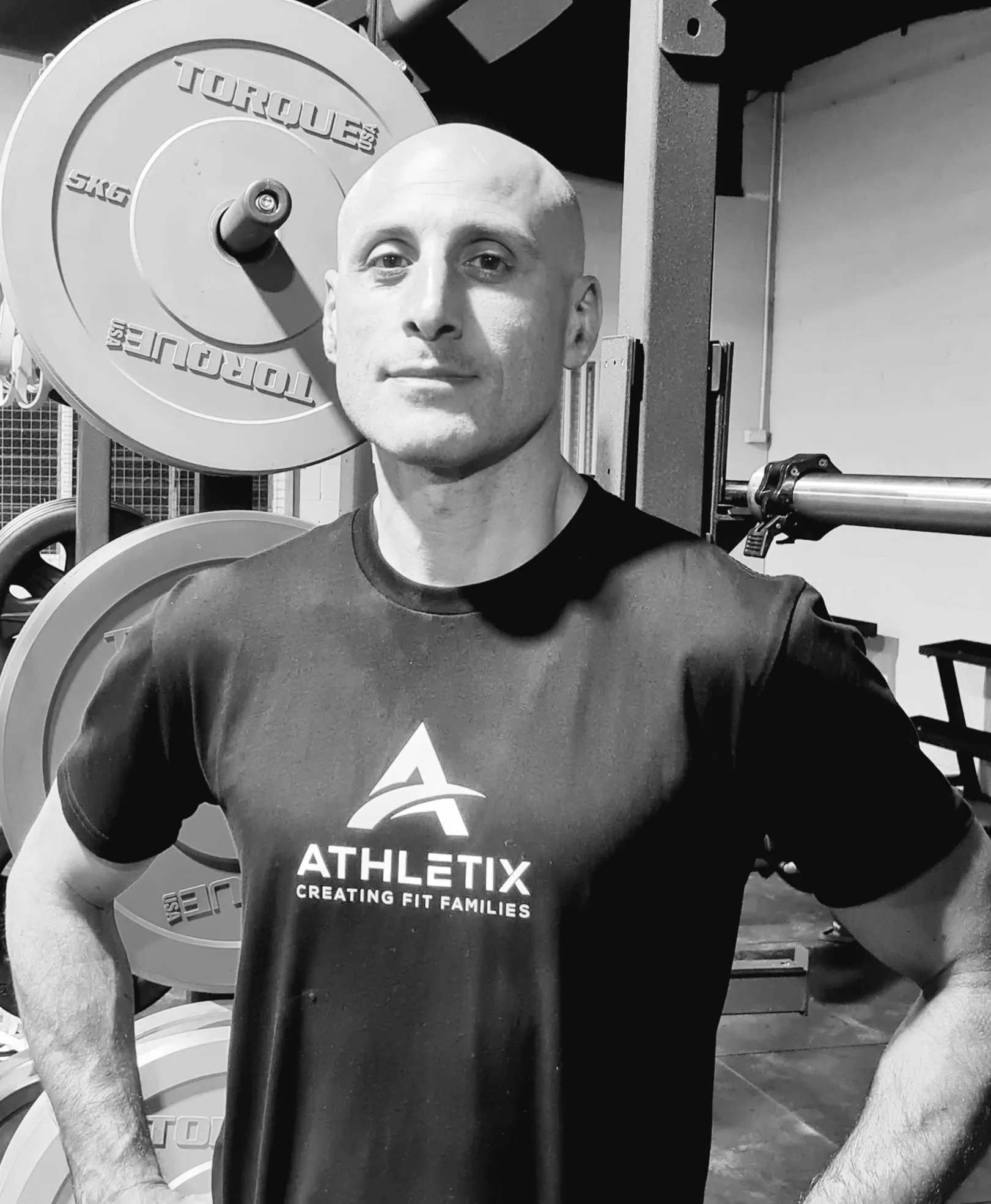
Marco Mastrorocco
Marco brings a science-based approach to active recovery and mobility, designed to deliver real change in a single session. Built for athletes and everyday movers — restore your range, stabilise your joints and own your body again.
Frequently asked questions
The most common things people ask before their first class.
What are mobility exercises?
Mobility exercises boost your body's range of motion and reduce overall stiffness. They're essential to nearly every activity, help control knots and minor wounds, reduce stress related to sedentary days or over-training, and improve overall functional fitness so you stay energetic and injury-resilient.
How often should I do mobility exercises?
2–3 times per week as a minimum, but daily is even better. Incorporating a few minutes of mobility into your existing strength or agility sessions is enough — target the areas that feel tight.
When should I do mobility exercises?
You can start in your 20s/30s when muscles adapt quickly, but mobility becomes even more important as you age and joints stiffen up.
- Right after waking up
- During lunch breaks
- 5–10 minutes before bed
Why is mobility so important?
Long hours at a desk decline physical fitness and increase the risk of cardiovascular disease, diabetes and other conditions. Mobility counteracts this — restoring movement quality and reducing pain.
Why is mobility important in everyday life?
Mobility lets you move freely and stay independent — walking, running, climbing stairs, playing with kids. It's not only crucial for independence but for everyday enjoyment.
Is mobility better than stretching?
Mobility is a more efficient, dynamic form of training. A few minutes of mobility work can match an hour of static stretching. Both have a place, but mobility usually delivers more bang-for-buck for active people.
When can mobility be harmful?
Like anything, doing too much without recovery can cause issues. Watch out for habits that strain the body:
- Sitting hunched at a desk all day
- Holding your phone for long periods of texting/scrolling
- Hours of video games without breaks
How do I check my mobility?
Try bending to touch your toes or standing on one foot. Test joint range of motion in three axes:
- Sagittal (side to side)
- Frontal (forward and back)
- Transverse (rotational)
What is the difference between mobility and flexibility?
Mobility is the freedom of your joints to move. Flexibility is your muscles' ability to stretch. You can be flexible without being mobile, and vice versa — true movement quality needs both.
How do I know if I have mobility issues?
Common signs: joint pain, ongoing fatigue, numbness or tingling, balance difficulties. If symptoms persist, check in with a doctor or coach so you can build a plan to address them.
Do you offer women-only mobility classes?
Our group classes are mixed by default. If most participants are women on a particular session, the class naturally skews that way — but we don't restrict by gender. Get in touch if you'd like to organise a private session.